Life-Changing Advice for Husband and Wife in Every Stage of Marriage

Marriage is one of the most beautiful — and most challenging — journeys two people can share. From the excitement of newlywed life to the deep comfort of a decades-long partnership, every stage of marriage brings its own joys, struggles, and opportunities to grow closer or drift apart.

The truth is, no couple gets it perfectly right all the time. But the couples who thrive aren’t the ones who never fight or never face hard seasons — they’re the ones who keep showing up, keep communicating, and keep choosing each other every single day.

At HUGS (Howe-United), we believe every marriage deserves the right tools, the right conversations, and the right support to reach its full potential. That’s why we’ve put together this guide — real, practical advice for husband and wife at every stage of the journey.

Stage 1: The Newlywed Years (Year 1–3)

Build Your Foundation Early

The honeymoon phase is real — and it’s wonderful. But it doesn’t last forever, and that’s actually a good thing. What replaces it, when couples put in the work, is something far deeper: genuine understanding, shared identity, and a love that’s chosen rather than just felt.

The best relationship advice for newlyweds is simple: don’t assume you know each other completely just because you said, “I do.” Keep asking questions. Keep being curious about your partner.

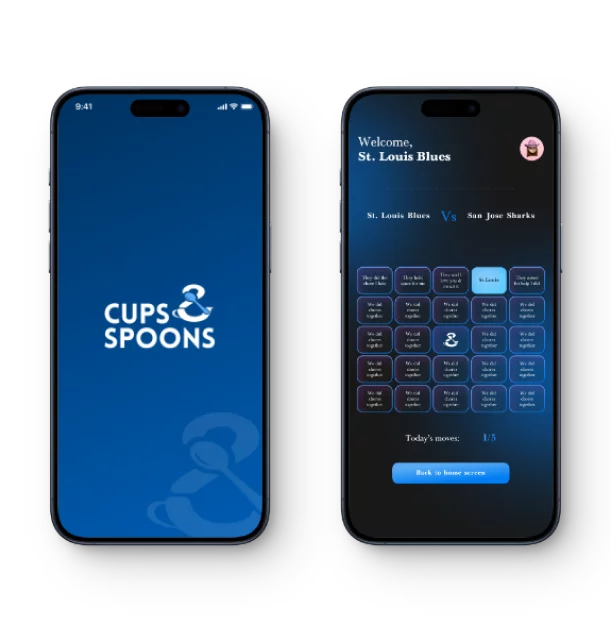
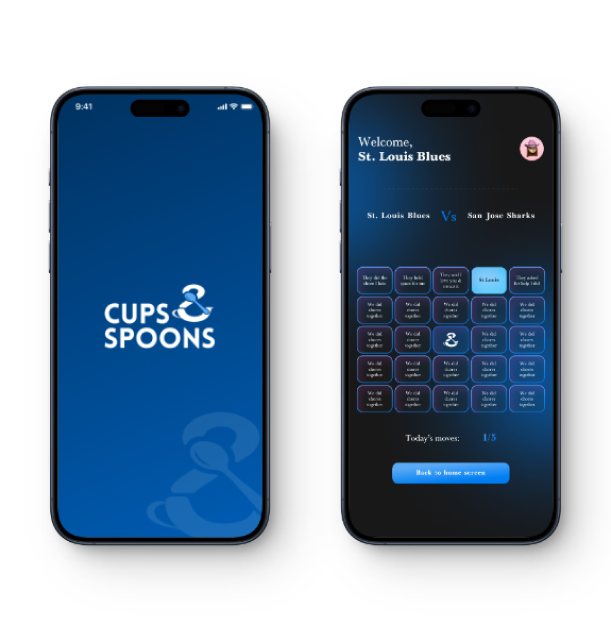
A great way to do this is to use Cups & Spoons — the HUGS app designed to spark meaningful conversations between couples through thoughtful daily prompts and questions at every level of depth. Whether you’re talking about your dreams, your fears, or your favorite childhood memories, Cups & Spoons keeps the conversation going long after the wedding day.

Advice for This Stage:

  • Set expectations early — talk about finances, family, and future goals before they become arguments
  • Create rituals together — a weekly date night, a morning routine, a Sunday tradition — these small rituals become the glue of your marriage
  • Learn each other’s love language — understanding how your spouse gives and receives love changes everything
  • Don’t stop dating each other — the effort you put in during courtship should continue after marriage, not disappear

Stage 2: Building a Life Together (Year 3–10)

Navigate the Busy Years With Intention

This is often when life gets loud. Careers accelerate, children may arrive, mortgages get signed, and suddenly the couple who used to talk for hours find themselves falling asleep mid-sentence.

This stage is where many marriages quietly begin to drift — not because of big blowups, but because of small disconnections that stack up over time. The best advice for husband and wife in this season is to be intentional. Connection doesn’t happen by accident when life gets busy. You have to schedule it, protect it, and prioritize it.

This is where the HUGS Hub — your central relationship dashboard on howe-united.com — becomes an invaluable resource. HUGS Hub helps couples track their relationship health, set shared goals, and access tools and content tailored to exactly where they are in their marriage journey.

Advice for This Stage:

  • Check in regularly — not just about logistics (“who’s picking up the kids?”) but emotionally (“how are you really doing?”)
  • Fight fair — disagreements are inevitable; contempt, stonewalling, and personal attacks are not. Learn the difference between venting and attacking
  • Protect your couple time — even 20 minutes of undistracted, phone-free time together each day makes a measurable difference
  • Celebrate wins together — cheer for each other’s promotions, milestones, and growth. Be your spouse’s biggest fan
  • Ask the right questions — use tools like Cups & Spoons to go beyond surface-level conversation and stay genuinely connected

Stage 3: The Middle Years (Year 10–25)

Rediscover Each Other

By this stage, many couples have built something truly remarkable together — a home, a family, a shared history. But it’s also the stage where some couples wake up one day and realize they feel more like roommates than romantic partners.

If that resonates with you, know this: it’s more common than you think, and it’s absolutely reversible.

Reconnecting intimacy in the middle years starts with honesty. Have the conversation you’ve been avoiding. Say the thing you’ve been holding back. Ask your spouse what they need — and actually listen to the answer.

Intimacy isn’t just physical. Emotional intimacy — feeling truly known, seen, and safe with your partner — is the foundation on which everything else is built. When emotional connection slips, physical and relational intimacy follow. Rebuild the emotional bridge first, and the rest tends to follow.

Advice for This Stage:

  • Go on a trip together — just the two of you, no kids, no distractions. Even a weekend away can reset a relationship
  • Try something new together — a new hobby, a class, a challenge. Novelty triggers the same brain chemistry as early-stage romance
  • Revisit your vows — what did you promise each other? Are you living up to those promises? Are your needs being met?
  • Seek help without shame — couples counseling isn’t a last resort. It’s a power tool. The strongest marriages use professional support proactively
  • Use HUGS Hub to access curated relationship advice, reconnection exercises, and intimacy-building resources designed specifically for couples in this stage

Stage 4: Empty Nest & Later Years (Year 25+)

Fall in Love All Over Again

When the kids leave, and the house gets quiet, many couples discover something surprising: they have to get to know each other again. The shared project of raising a family has ended, and now it’s just the two of you — which can feel either wonderfully freeing or unexpectedly disorienting.

This is one of the most underrated opportunities in a long marriage. You have time, wisdom, and (usually) more freedom than you’ve had in decades. Use it.

The best advice for husband and wife in the later years is to approach this season with the same curiosity and intentionality you brought to the very beginning. Ask new questions to ask couples — what do you want the next chapter to look like? What bucket list items can you tackle together? What have you always wanted to tell each other but never quite found the words?

Advice for This Stage:

  • Redefine your identity as a couple — you’re not just parents anymore. Who are you to each other now?
  • Prioritize health together — walk together, cook well together, support each other’s wellbeing. A healthy partner is a present partner
  • Express gratitude daily — after decades together, it’s easy to take each other for granted. Don’t. Say thank you. Say “I love you.” Say it again
  • Keep the romance alive — flowers, notes, surprises — these gestures matter at 60 just as much as they did at 26
  • Use Cups & Spoons to explore deep, meaningful conversations that help you process your shared life and dream about what’s still ahead

The One Piece of Advice That Applies to Every Stage

If there’s a single thread that runs through all the best advice for husband and wife — across every year, every stage, every challenge — it’s this:

Choose your marriage every single day.

Not just on the good days when it’s easy. On the hard days when you’re frustrated, exhausted, or feeling unseen. On ordinary days when nothing dramatic is happening. Make the choice — to be present, to be kind, to be curious about the person you married.

Great marriages aren’t built on grand gestures. They’re built on daily decisions.

Your Marriage Deserves the Right Tools

At HUGS (Howe-United), we’ve built a suite of resources to support couples at every stage of their journey:

  • Cups & Spoons — Daily conversation prompts and deep questions to ask couples that keep emotional connection strong, no matter how busy life gets
  • HUGS Hub — Your personalized relationship dashboard with tools, exercises, and relationship advice tailored to where you and your spouse are right now

Whether you’re newlyweds building your foundation or a long-married couple looking to reconnect intimacy and rediscover each other, HUGS is here to walk that road with you.

👉 Visit howe-united.com today and take the next step toward the marriage you both deserve.

How to Be a Better Partner Without Losing Yourself

At some point in almost every relationship, one or both partners quietly ask themselves the same question: “How can I be a better partner?” It’s a question that takes courage to ask — because asking it means you care deeply enough to look inward, reflect honestly, and commit to showing up differently.

But here’s something that doesn’t get talked about enough: becoming a better partner doesn’t mean disappearing into the relationship. It doesn’t mean abandoning your own needs, silencing your voice, or reshaping your entire identity around someone else. The most fulfilling, lasting relationships are built by two whole people — not two people who have lost themselves trying to please each other.

At HUGS (Howe-United), we believe that growth in a relationship starts with growth as an individual. In this guide, we’ll explore what it truly means to be a better partner — practically, emotionally, and authentically — without sacrificing who you are in the process.

Why People Ask “How Can I Be a Better Partner?”

The question “How can I be a better partner?” doesn’t always arise from a crisis. Sometimes it comes from love — a genuine desire to give more, connect deeper, and build something truly meaningful with the person you’ve chosen.

Other times, it surfaces after conflict, distance, or a moment of realisation that things could be better. And sometimes it comes simply from watching a relationship that works beautifully and thinking“I want that.

Whatever brought you here, the fact that you’re asking the question at all says something important about you. Self-awareness is the first and most essential ingredient in becoming a better partner. And it’s a quality that HUGS (Howe-United) was built around — helping individuals and couples grow together through intentional, compassionate connection.

The Difference Between Being a Good Partner and Losing Yourself

Before we dive into the “how,” it’s worth understanding the difference between healthy growth and self-erasure — because they can look deceptively similar from the outside.

Being a good partner looks like:

  • Actively listening when your partner speaks
  • Making time and space for their needs
  • Communicating openly and honestly
  • Showing up consistently and reliably
  • Growing and evolving alongside each other

Losing yourself looks like:

  • Abandoning your own interests and friendships to focus entirely on the relationship
  • Suppressing your feelings to avoid conflict
  • Making every decision based on what your partner wants
  • Feeling like you no longer know who you are outside the relationship
  • Saying yes when every part of you means no

The goal is the first list — without sliding into the second. A healthy relationship makes both partners feel seen, valued, and free to be fully themselves.

1. Start With Self-Awareness

You cannot give what you don’t understand. Before you can meaningfully show up for your partner, you need to understand your own patterns, triggers, needs, and communication style.

Ask yourself honestly:

  • How do I respond when I feel stressed or overwhelmed?
  • Do I communicate my needs clearly, or do I expect my partner to guess?
  • What are my emotional triggers — and where do they come from?
  • Am I showing up in this relationship the way I genuinely want to?

Journaling, therapy, and open conversations with trusted friends can all help deepen your self-awareness. The HUGS Hub — HUGS (Howe-United)’s dedicated relationship support platform — also offers guided tools and resources designed to help you reflect, understand yourself better, and bring your best self into your relationship every day.

Self-awareness isn’t a one-time exercise. It’s an ongoing practice — and one of the most powerful gifts you can bring to any partnership.

2. Learn Your Partner’s Love Language — and Your Own

One of the most transformative things you can do when asking “how can I be a better partner” is to understand how you and your partner each give and receive love.

Dr. Gary Chapman’s five love languages — words of affirmation, acts of service, receiving gifts, quality time, and physical touch — offer a simple but powerful framework. Many relationship conflicts come not from a lack of love, but from a mismatch in how love is expressed and received.

For example, you might show love by doing things for your partner (acts of service), while they feel most loved when you give them quality, undivided time together. Neither of you is wrong — you’re just speaking different emotional languages.

Take time to:

  • Learn which love language resonates most with your partner
  • Share your own love language openly
  • Make a conscious effort to express love in the way your partner actually receives it

Small, consistent gestures that speak your partner’s language will do more for your relationship than grand occasional gestures that miss the mark.

3. Communicate — Really Communicate

If there’s one skill that separates good partners from great ones, it’s communication. Not just talking — but truly communicating. Listening to understand, not just to respond. Sharing vulnerably, not just reporting facts.

Here are some communication habits that make a real difference:

Listen Actively

Put the phone down. Make eye contact. Reflect back what you’ve heard before jumping to your own response. Active listening is one of the most intimate things you can offer another person — and one of the most underused tools in relationships.

Use “I” Statements

Instead of “You never listen to me,” try “I feel unheard when I’m talking and you’re on your phone.” One creates defensiveness; the other opens a conversation.

Check In Regularly

Don’t wait for problems to surface before you talk about them. Regular, low-stakes check-ins — “How are we doing? Is there anything you need from me right now?” — keep small issues from becoming big ones.

Know When to Pause

Sometimes the most productive thing you can do in a heated moment is agree to take a break and revisit the conversation when you’re both calmer. Saying “I need 20 minutes, and then I want to talk about this properly” is not avoiding — it’s responsible communication.

The HUGS Hub includes conversation guides and prompts specifically designed to help couples open up, check in, and communicate more meaningfully — even when words feel hard to find.

4. Show Up Consistently — Not Just in Big Moments

Relationships are not built on grand gestures alone. They’re built in the quiet, ordinary moments — the morning coffee made just the way they like it, the text that says “thinking of you,” the Saturday morning spent doing something they love even when you’d rather be doing something else.

Consistency is what builds trust. And trust is what makes a relationship feel safe enough to be truly intimate.

Ask yourself: Am I showing up for my partner in the small, everyday moments — not just when it’s convenient or when I feel like it?

This is where tools like Cups & Spoons — HUGS (Howe-United)’s relationship-nurturing app — can make a meaningful difference. Cups & Spoons is designed to help partners stay connected through small, intentional daily acts of love and appreciation, building consistency and closeness one moment at a time. Because it’s the little things, done regularly, that add up to something extraordinary.

5. Respect Their Individuality — and Protect Your Own

One of the greatest acts of love is giving your partner the freedom to be fully themselves — their interests, friendships, quirks, and ambitions — without feeling threatened or competitive.

And equally important: protecting your own individuality within the relationship.

Healthy relationships are made up of two people who bring their full, unique selves to the table — not two people who have merged so completely that neither can function independently.

Practical ways to honor individuality:

  • Encourage your partner to pursue hobbies and friendships outside the relationship
  • Make time for your own interests, friendships, and personal goals
  • Avoid the trap of spending every waking moment together — absence, done right, creates appreciation
  • Celebrate what makes your partner different from you, rather than trying to change it

The goal isn’t for two people to become one. It’s two whole people choosing each other — every day.

6. Take Responsibility Without Self-Punishment

Being a better partner means owning your mistakes — genuinely, without defensiveness or deflection. When you get it wrong (and you will, because we all do), the ability to say “I’m sorry, that was wrong of me, and here’s what I’ll do differently” is enormously powerful.

But there’s an important distinction between healthy accountability and relentless self-criticism. Beating yourself up endlessly over past mistakes doesn’t make you a better partner — it just makes you a more anxious one. Acknowledge, apologize, learn, and move forward.

Self-compassion isn’t selfishness. It’s sustainability. You can’t consistently show up well for someone else if you’re constantly tearing yourself down.

7. Invest in the Relationship Intentionally

Relationships, like gardens, need tending. Left unattended, even the most beautiful ones can wither. Investing in your relationship intentionally — with time, energy, creativity, and attention — is one of the most direct answers to “how to be a good partner.”

Some ideas for intentional investment:

  • Plan regular date nights — not just when you happen to have time
  • Try something new together that neither of you has done before
  • Read a relationship book together and discuss it
  • Use Cups & Spoons to discover daily prompts, connection rituals, and shared activities designed to keep your relationship growing and thriving
  • Visit the HUGS Hub for relationship resources, expert guidance, and community support built specifically for couples committed to growing together

The couples who thrive in the long term aren’t the ones who never face challenges. They’re the ones who actively, consistently invest in each other — even when life gets busy, even when it’s hard.

8. Know When to Seek Support

There is no weakness in asking for help. In fact, seeking support — whether through couples counselling, a relationship app, a trusted mentor, or a community of like-minded people — is one of the most proactive, loving things you can do for your relationship.

If you and your partner are navigating a particularly difficult season, professional guidance can be transformative. And for everyday support, connection, and growth, HUGS (Howe-United) offers a range of tools and resources — including the HUGS Hub and Cups & Spoons app — designed to meet you wherever you are in your relationship journey.

You don’t have to figure it all out alone. The best partners know how to reach for help when they need it.

How to Be a Good Partner Without Losing Yourself: A Quick Recap

Here’s a simple summary of everything we’ve covered:

  • Know yourself first — self-awareness is the foundation of being a great partner
  • Learn each other’s love languages — and speak them consistently
  • Communicate openly and actively — listen as much as you talk
  • Show up in the small moments — consistency builds trust
  • Honor individuality — yours and theirs
  • Own your mistakes — without excessive self-criticism
  • Invest intentionally — relationships need active, ongoing nurturing
  • Ask for support — it’s a sign of strength, not weakness

You Can Grow Without Disappearing

The answer to “how can I be a better partner” is not to erase yourself. It’s to bring more of your best, most intentional self into the relationship — while giving your partner the space to do the same.

Growth in love is possible. A connection that deepens over time is possible. A relationship where both partners feel fully seen, fully loved, and fully free to be themselves — that is possible too.

HUGS (Howe-United) is here to support that journey — with the Cups & Spoons app for daily connection, the HUGS Hub for relationship resources and guidance, and a community of people committed to loving better, growing stronger, and building relationships that truly last.

Ready to take the next step? Visit HUGS today and discover the tools, resources, and support that can help you become the partner you’ve always wanted to be — without losing yourself along the way.

Relationship Tips for Women Who Want More Than Just Love

Love is beautiful. But let’s be honest — love alone is never enough.

As women, we are often told that finding love is the ultimate goal. But what about finding yourself within that love? What about building something real, something lasting, something that goes beyond butterflies and good morning texts?

At HUGS (Howe-United), we believe every woman deserves more than just love. You deserve respect, growth, connection, and a relationship that truly feeds your soul. So today, we are sharing relationship tips for women who are done settling — and ready to build something genuinely meaningful.

Know What You Actually Want Before You Seek It

The biggest mistake most women make is stepping into relationships without a clear picture of what they truly need. Not just what looks good on paper — but what feels right in real life.

Ask yourself the hard questions. Do you want a partner who challenges you intellectually? Someone who shares your values around family, faith, or finances? Before you can find the right relationship, you need to know the right you.

HUGS tip: Use the HUGS Hub app to journal your relationship goals, track your emotional patterns, and get clarity on what a healthy relationship looks like for you personally.

Stop Shrinking Yourself to Fit Someone Else

Too many women dim their light to make someone else feel comfortable. They make themselves smaller, quieter, and less ambitious — all in the name of keeping the peace or keeping a man.

Here is the truth: the right partner will never ask you to shrink. They will celebrate your growth, cheer your wins, and stand beside you as you become more — not less — of who you are.

If you feel like you are constantly editing yourself in your relationship, that is not love. That is a warning sign.

Build Emotional Intimacy, Not Just Physical Connection

Physical chemistry is exciting, but emotional intimacy is what makes a relationship last. Women who want more than just love understand that real connection lives in the conversations at 2 a.m., the vulnerability of sharing your deepest fears, and the comfort of being fully known.

Make space for deep conversations. Ask questions that go beyond the surface. Listen to understand — not just to respond.

HUGS tip: Use Cups & Spoons to find meaningful conversation starters, relationship prompts, and daily connection rituals designed to deepen your emotional bond with your partner.

Set Boundaries — And Actually Hold Them

Boundaries are not walls. They are the foundation of every healthy relationship. Yet so many women struggle to set them out of fear of being seen as difficult, demanding, or too much.

Here is your reminder: your boundaries are not negotiable. They are a reflection of your self-respect. A partner who truly loves you will honor you without hesitation.

Start small if you need to. Say no to what drains you. Say yes to what honors you. And watch how the right people rise to meet your standards.

Choose a Partner Who Chooses You — Every Single Day

Love is not just a feeling. It is a daily choice. And you deserve a partner who wakes up every morning and actively chooses to show up for you — not just on the good days, but on the hard ones too.

Pay attention to consistency over intensity. Grand gestures are nice, but quiet, steady, reliable love is what sustains a relationship through every season of life.

Invest in Your Own Happiness First

Your happiness is never your partner’s responsibility. It is yours. Women who build the strongest relationships are those who come to love already whole — already fulfilled — already in love with their own lives.

Pick up a new hobby. Invest in your friendships. Prioritize your health and your dreams. When you are genuinely happy on your own, you attract a relationship that adds to your joy rather than depending on it.

Communicate Without Fear

Healthy communication is the heartbeat of every strong relationship. Yet so many women stay silent out of fear — fear of conflict, fear of rejection, fear of being too much.

Your voice matters. Your feelings matter. Speak up when something hurts. Ask for what you need without guilt. A relationship where you cannot speak your truth is a relationship where you cannot truly be yourself.

Practice honest, kind, and clear communication — and look for a partner who meets you with the same openness.

Recognize Love That Grows You

The best relationships do not just feel good — they make you better. They push you to grow, dream bigger, heal deeper, and become the fullest version of yourself.

Look for love that expands your world. A partner who introduces you to new perspectives, supports your ambitions, and genuinely celebrates who you are becoming. That is the kind of love worth holding on to.

Heal Your Patterns Before They Repeat

We all carry something from our past into our present relationships — old wounds, childhood patterns, past heartbreaks that quietly shape how we love today.

One of the most powerful relationship tips for women is this: do the inner work. Therapy, journaling, honest self-reflection — whatever it takes to understand your patterns so you can break the cycles that no longer serve you.

HUGS tip: The HUGS Hub app offers guided self-reflection tools and community support to help you navigate your emotional journey and build healthier relationship habits from the inside out.

Never Mistake Potential for Reality

One of the most heartbreaking things a woman can do is fall in love with who someone could be rather than who they actually are right now.

See people clearly. Believe what their actions — not just their words — tell you. You cannot pour your love into someone’s potential and call it a relationship. Love what is real, not just what is possible.

Final Thoughts — You Deserve More Than Just Love

Love is the beginning — but it is not the whole story.

You deserve a relationship that respects your boundaries, celebrates your growth, deepens your joy, and honors everything you bring to the table. You deserve a partner who chooses you fully, loves you honestly, and walks beside you as you build the life you actually want.

At HUGS (Howe-United), we are here to support every woman on that journey — with tools like Cups & Spoons for deeper daily connection and HUGS Hub for personal growth and community support.

Because you were never meant to settle for just love. You were meant for so much more.

Love Isn’t Enough: The Relationship Advice Nobody Tells You

We’ve all heard it. In movies, in love songs, in the advice passed down from one generation to the next: “Love is all you need.” It sounds beautiful. It feels right. But here’s the relationship advice that nobody tells you — love, on its own, is not enough to make a relationship last.

That’s not a cynical take. It’s actually one of the most hopeful things you can hear, because it means that struggling couples aren’t failing. After all, they don’t love each other. They’re struggling because love was never meant to carry the entire weight of a relationship alone.

At Howe-United, we believe couples build thriving relationships intentionally, consistently, and with the right tools. Whether you are newly married or have been together for decades, understanding what love actually needs to survive will change everything.

Why Love Alone Falls Short

Love is the foundation, but it’s not the structure. Think of it this way: you can love a house with cracked walls, a leaking roof, and a broken furnace. But unless you repair those things, love for the house won’t keep you warm at night.

The same is true in marriage and partnership. You can deeply love your spouse and still:

  • Struggle to communicate without it turning into an argument
  • Feel unseen, unheard, or undervalued
  • Drift apart emotionally over months or years
  • Lose connection in the chaos of daily life

This is where real relationship advice begins — not with feelings, but with skills.

The Advice for Husband and Wife That Changes Everything

1. Communication Is a Skill, Not a Personality Trait

One of the most important pieces of advice for husband and wife is this: communication isn’t something you either have or you don’t. It’s something you learn. Most couples fight about the same things over and over, not because they don’t love each other, but because they’ve never been taught how to talk through conflict rather than at each other.

Practical steps to start:

  • Use “I feel” statements instead of “You always” accusations
  • Listen to understand, not to respond
  • Take time-outs when conversations get heated — not to avoid the issue, but to return to it calmer

HUGS Hub, Howe-United’s relationship support platform, helps couples build exactly these kinds of communication habits — with guided prompts, check-ins, and resources built for real life.

2. Intentionality Is the Antidote to Drift

Life gets busy. Kids, careers, bills, and responsibilities can quietly crowd out the connection that once felt effortless. Couples who thrive don’t stay connected by accident — they stay connected on purpose.

This means:

  • Scheduling regular date nights (yes, even if it feels unromantic to put it on the calendar)
  • Checking in emotionally — not just logistically — every day
  • Doing small, consistent acts of love rather than waiting for grand gestures

Howe-United’s Cups & Spoons app makes this easier by helping couples track their emotional “cups” — understanding when each partner is running low and needs more care, attention, or support. Because the truth is, you can’t pour from an empty cup, and you can’t connect with a partner whose cup you haven’t checked on.

3. Repair Matters More Than Perfection

Here’s something therapists know that most couples don’t: the healthiest relationships aren’t the ones with no conflict. They’re the ones where couples know how to repair after conflict.

Every couple disagrees. Every couple has hard seasons. What separates lasting partnerships from broken ones is the ability to come back together — to apologize genuinely, to forgive fully, and to keep choosing each other even when it’s hard.

Advice for a good marriage often skips this part. We’re sold the highlight reel — the honeymoon, the grand gestures — but nobody talks about the quiet, unglamorous work of coming back to the table after a difficult week and saying, “I still choose you.”

Advice for a Good Marriage: Build Systems, Not Just Moments

The happiest couples we see at Howe-United have something in common: they’ve built systems of connection, not just memories of it. They don’t rely on feeling inspired to be loving — they’ve created rhythms and habits that keep love alive even on the ordinary days.

Here’s what that can look like:

HabitWhy It Works
Daily emotional check-insPrevents emotional distance from building up unnoticed
Weekly “state of us” conversationsAddresses small issues before they become big ones
Monthly intentional date timeKeeps romantic connection alive outside of parenting or work roles
Annual relationship reflectionHelps both partners feel heard about the year and align on goals ahead

None of these requires money, grand gestures, or perfect circumstances. They just require commitment — and that’s something love can fuel, as long as it has the right structure around it.

What Love Is Actually For

Here’s the reframe that might surprise you: love isn’t supposed to do the work of a relationship. Love is supposed to be the reason you do the work.

Love is what gets you back to the table after a hard conversation. Love is what makes you download Cups & Spoons and actually use it. Love is what makes you log into HUGS Hub on a Tuesday night when you’d rather scroll your phone — because you care about your partner more than your comfort.

Love is not the engine. Love is the why behind the engine.

And when you understand that, you stop waiting for love to fix things — and you start building things, together.

Final Thoughts: The Relationship Advice Worth Keeping

So here it is — the relationship advice nobody tells you, but that Howe-United believes with everything we have:

Love is necessary. But love is not sufficient. What bridges the gap between the two is intentionality, communication, repair, and commitment to keep growing — together.

If you’re reading this and nodding along because something in your relationship feels like it’s slipping, know this: that feeling isn’t the end. It’s an invitation to do something different.

You don’t need a perfect relationship. You need a real one — the kind built on honesty, effort, and the tools to help you both show up better for each other.

That’s what Howe-United is here for.

Ready to build a stronger relationship? Explore our resources, connect with our community, and download the Cups & Spoons and HUGS Hub apps at 👉 howe-united.com

How Technology is Changing Therapy with Couples Counseling Apps

Relationships today look very different from what they were a decade ago. Busy schedules, long-distance dynamics, digital distractions, and emotional stress have made communication more challenging than ever. In response, modern therapy is evolving quickly—and one of the biggest innovations is the rise of the couples counseling app.

Instead of waiting weeks for in-person sessions, couples can now access support, guidance, and structured communication tools directly from their phones. Apps like HUGS Hub and Cups & Spoons from the HUGS platform are reshaping how couples connect, talk, and heal together.

The Shift from Traditional Therapy to Digital Support

Traditional couples therapy has always been valuable, but it also comes with limitations—time constraints, cost, location barriers, and scheduling challenges. This is where technology steps in.

A couples counseling app brings therapy-inspired tools into everyday life. Instead of waiting for a weekly session, couples can engage in guided exercises, reflection prompts, and structured conversations anytime they need support.

This shift is especially important in the USA, where fast-paced lifestyles often make consistent therapy difficult to maintain.

How Couples Counseling Apps Are Changing Relationships

Modern apps are not just about communication—they are about transformation. A well-designed couples communication app helps partners understand each other more deeply by encouraging emotional awareness and structured dialogue.

Here’s how these apps are making a difference:

1. Real-Time Communication Support

Instead of letting conflicts build up, couples can use guided prompts to express feelings in a calm, structured way. This reduces misunderstandings and emotional escalation.

2. Daily Emotional Check-Ins

Many apps include short daily check-ins that help partners stay connected emotionally, even during busy days.

3. Guided Therapy Exercises

These exercises are based on relationship psychology and help couples work through trust issues, intimacy gaps, and communication breakdowns.

4. Long-Distance Relationship Support

For couples living apart, a couples counseling app acts as a bridge—helping maintain emotional closeness despite physical distance.

The Role of “Couples Question App” Features

One of the most powerful tools in modern relationship apps is the couples question app feature. These are structured question prompts designed to spark meaningful conversations.

Instead of small talk, couples are encouraged to explore deeper topics like:

  • Emotional needs and expectations
  • Conflict resolution styles
  • Future goals and life planning
  • Love languages and affection preferences

These questions often uncover thoughts and feelings that might otherwise go unspoken in everyday life.

HUGS: A Modern Approach to Relationship Support

One of the emerging names in this space is HUGS, a platform focused on improving emotional connection through technology. Their ecosystem is designed to support couples at different stages of their relationship journey.

You can explore more about their platform here:

HUGS Hub

HUGS Hub is designed to provide structured guidance, emotional check-ins, and communication tools that help couples strengthen their bond over time.

Cups & Spoons

Cups & Spoons focuses on emotional reflection and shared experiences, encouraging couples to slow down and truly understand each other’s inner world.

Together, these apps represent a modern approach to relationship wellness—combining psychology, communication science, and digital convenience.

Why Couples Counseling Apps Are Becoming So Popular

The growing popularity of couples counseling apps is not just a trend—it reflects a real need. People want accessible, private, and affordable ways to improve their relationships.

Key reasons include:

  • Easy access to support anytime, anywhere
  • Lower cost compared to traditional therapy
  • Privacy and comfort of self-guided improvement
  • Integration into daily routines
  • Tools that encourage consistent emotional connection

In many ways, these apps act as a “relationship coach in your pocket.”

Take the Next Step: Strengthen Your Relationship with the Right Tools

Technology is not replacing traditional therapy—it is expanding it. A couples counseling app offers couples the opportunity to grow together continuously, not just during scheduled sessions.

With tools like HUGS Hub and Cups & Spoons, couples now have access to structured communication, emotional reflection, and guided support whenever they need it. As relationships continue to evolve in a digital world, these apps are becoming an essential part of maintaining healthy, meaningful connections.

For couples in the USA looking to strengthen their bond, embracing a couples communication app or exploring a couples question app experience may be one of the most practical steps toward a lasting emotional connection.

Daily Communication Exercises for Couples to Stay Connected

Strong relationships are built on consistent, meaningful communication. Over time, even the most loving couples can feel distant if they stop truly talking and listening to each other. This is where communication exercises for couples can make a real difference.

At HUGS, we believe that emotional connection grows through small, intentional daily habits. With tools like Cups & Spoons and HUGS Hub, couples can turn everyday conversations into moments of closeness, understanding, and fun.

Understanding Communication for Couples

Before exploring exercises, it helps to understand the relationship communication definition. In simple terms, it refers to how partners exchange thoughts, emotions, needs, and expectations in a relationship.

Healthy communication for couples is not just about talking—it’s about:

  • Listening with attention
  • Expressing feelings honestly
  • Understanding without judgment
  • Responding with empathy

When communication is strong, trust and emotional connection naturally improve.

Why Daily Communication Matters

Many couples don’t struggle because of a lack of love—they struggle because of a lack of communication habits. Daily interaction helps prevent misunderstandings and emotional distance.

Practicing communication exercises for couples daily can:

  • Strengthen emotional intimacy
  • Reduce conflicts and miscommunication
  • Build trust and understanding
  • Keep the relationship emotionally active

Even 10–15 minutes a day can make a big difference.

1. The Daily Check-In Conversation

This simple exercise involves asking each other:

  • How was your day really?
  • What made you happy today?
  • What was stressful or difficult?

The key is to listen without interrupting or trying to fix everything immediately. This creates emotional safety and helps both partners feel heard.

2. The “One Thing I Appreciate About You” Exercise

Every day, share one thing you appreciate about your partner.

It can be small:

  • “I appreciate how you checked in on me today.”
  • “I love how patient you were.”

This exercise builds positivity and helps couples focus on strengths instead of flaws.

3. The No-Distraction Talk

Spend at least 10 minutes together without phones, TV, or distractions. Just talk.

This improves communication for couples by encouraging presence and attention. Even simple conversations feel more meaningful when distractions are removed.

4. The Feeling Sharing Practice

Take turns sharing how you feel using simple statements:

  • “I feel…”
  • “I need…”
  • “I would like…”

This helps avoid blame and improves emotional clarity, which is essential in healthy communication.

5. The Weekly Reflection Conversation

Once a week, reflect together:

  • What went well in our relationship this week?
  • What can we improve next week?
  • How can we better support each other?

This keeps communication consistent and encourages teamwork.

6. Fun Communication with HUGS Tools

Healthy communication doesn’t always have to be serious. Fun interaction is just as important for connection.

Couples can use:

  • Cups & Spoons for playful prompts and conversations
  • HUGS Hub for interactive relationship-building activities

These tools help turn communication into a shared experience rather than a routine task.

Benefits of Communication Exercises for Couples

Practicing these exercises daily leads to:

  • Stronger emotional connection
  • Better understanding of each other’s needs
  • Fewer arguments and misunderstandings
  • A more supportive and loving relationship

Consistency is the key to long-term relationship growth.

Strengthen Your Relationship with HUGS Tools

Building strong communication is not a one-time effort—it’s a daily practice. By using communication exercises for couples, you can stay emotionally connected, reduce misunderstandings, and grow closer over time.

At HUGS, couples can take this connection even further with interactive tools that improve communication in a fun, engaging way. Apps like Cups & Spoons and HUGS Hub help turn everyday conversations into meaningful bonding experiences.

Start small, stay consistent, and let better communication naturally strengthen your relationship every day.

How Do I Make My Partner Happy and Keep Romance Alive

A strong relationship doesn’t rely only on big romantic gestures—it grows through everyday care, meaningful communication, and shared experiences. If you’ve been asking yourself how do I make my partner happy, the answer often comes down to understanding their needs, showing appreciation, and making romance a regular part of your connection.

At HUGS (Howe-United Games & Software), we know that lasting relationships are built on emotional closeness, fun, and intentional effort. Through interactive experiences like HUGS Hub and Cups & Spoons, couples can strengthen their bond while keeping things exciting.

Here are practical ways to make your partner happy while keeping your romance alive.

Prioritize Meaningful Attention Every Day

One of the best answers to how do I make my partner happy is to be fully present.

Modern life can be busy, but small moments of attention often matter more than expensive gifts. Listening carefully, remembering details, and noticing how your partner feels can make them feel loved and valued.

Ways to show meaningful attention:

  • Ask thoughtful questions about their day
  • Remember important dates or personal preferences
  • Notice when they need support or encouragement

Feeling seen is one of the deepest forms of happiness in a relationship.

Communicate Openly and Honestly

Healthy communication is essential for both happiness and romance.

When couples communicate clearly, they reduce misunderstandings and build trust. Honest conversations also create emotional intimacy, which keeps the relationship feeling close.

Focus on:

  • Sharing feelings calmly and respectfully
  • Listening without immediately trying to fix everything
  • Expressing appreciation and concerns openly

Strong communication helps your partner feel emotionally secure.

Keep Fun Alive in Your Relationship

Romance isn’t only about candlelit dinners—it’s also about laughter, playfulness, and creating memories together.

Couples who enjoy activities together often feel more connected over time.

Try:

  • Playing relationship games together
  • Exploring apps like HUGS Hub for shared experiences
  • Using Cups & Spoons to spark fun conversations
  • Planning surprise date nights or mini adventures

Fun keeps your relationship fresh and prevents routine from becoming boring.

Show Appreciation More Often

If you’re wondering how do I make my partner happy, appreciation can make a major difference.

Many people want to feel recognized for what they do, even in small ways. Genuine gratitude can strengthen emotional bonds quickly.

Simple ways to show appreciation:

  • Say “thank you” regularly
  • Compliment their effort
  • Recognize thoughtful actions
  • Leave kind notes or messages

Feeling appreciated often leads to deeper emotional satisfaction.

Strengthen Physical and Emotional Intimacy

Romance thrives when couples nurture both emotional closeness and physical affection.

This doesn’t always mean grand romance—it can be as simple as consistent affection and quality time.

Examples include:

  • Hugging often
  • Holding hands
  • Spending uninterrupted time together
  • Sharing meaningful conversations

These habits reinforce love and connection over time.

Handle Conflict with Patience and Respect

Every relationship has disagreements, but how you handle them can determine whether romance grows or fades.

If your goal is to understand how do I make my partner happy, learning respectful conflict resolution is essential.

Better conflict habits:

  • Avoid blame-focused language
  • Stay calm during disagreements
  • Focus on solutions, not winning
  • Apologize sincerely when necessary

Respect during difficult moments builds stronger trust.

Build Shared Rituals That Strengthen Connection

Daily or weekly rituals can help relationships feel stable and special.

These rituals don’t have to be complicated—they simply create reliable moments of connection.

Ideas:

  • Weekly date nights
  • Morning coffee together
  • Evening check-ins
  • Game nights with Cups & Spoons

Shared rituals help keep romance active, even during busy seasons.

Support Each Other’s Personal Growth

A happy relationship is one where both people continue to grow individually and together.

Encouraging your partner’s goals while sharing your own creates a sense of teamwork.

You can:

  • Celebrate their successes
  • Support personal ambitions
  • Learn new things together
  • Set future goals as a couple

Growth keeps relationships dynamic and meaningful.

Strengthen Your Relationship with HUGS

If you’ve been asking how do I make my partner happy, remember that lasting happiness comes from connection, communication, and shared joy.

At HUGS (Howe-United Games & Software), we create experiences designed to help couples build stronger, happier relationships. With tools like HUGS Hub and Cups & Spoons, you can explore new ways to connect, communicate, and keep romance alive every day.

Visit Howe-United to discover how HUGS can help you turn everyday moments into meaningful relationship experiences. Your happiest, most connected relationship may start with just one intentional step today.

How to Choose the Right Calendar App for You and Your Partner

You’ve missed the dinner reservation. Your partner thought you were handling the anniversary plans. You both showed up to completely different events on the same Saturday. Sound familiar?

If you’re nodding your head right now, you’re not alone. One of the most common sources of friction in relationships isn’t a lack of love — it’s a lack of coordination. Life gets busy, schedules get complicated, and without the right system in place, even the most organized couples can find themselves constantly playing catch-up.

The good news? The right calendar app for couples can fix all of that. The challenge is that there are a lot of options out there, and not all of them are built with couples in mind. In this post, I’m breaking down exactly what to look for — and how to find the one that truly fits your relationship.

Why Couples Need a Dedicated Shared Calendar

Before we get into the “how to choose” part, let’s talk about why a generic calendar just doesn’t cut it for most couples.

Most people use Google Calendar or Apple Calendar for their own personal and work schedules. These tools are great individually — but they weren’t designed with relationship dynamics in mind. They don’t account for:

  • Shared events that belong to both of you (date nights, family visits, joint appointments)
  • Household tasks and routines that need to be split and tracked together
  • Couple-specific reminders like anniversaries, relationship milestones, and recurring date nights
  • A shared view that’s easy to read at a glance without digging through work meetings and personal reminders

A shared calendar app for couples bridges that gap. It gives both of you a single, clear view of your life together — and keeps the conversation from turning into “but I didn’t know about that!”

5 Things to Look for in a Calendar App for Couples

Not all calendar apps are created equal. Here’s what actually matters when you’re choosing one as a couple:

1. Easy Shared Access for Both Partners

This sounds obvious, but it’s worth stating clearly: both of you need to be able to view, add, and edit events with zero friction. If one partner has to “request access” every time or events don’t sync in real time, the system will break down fast.

Look for apps that make sharing seamless — where your partner’s updates appear instantly on your end without any extra steps.

2. Couple-Focused Features, Not Just Basic Scheduling

A great calendar app for couples goes beyond dates and times. Look for features like:

  • Color-coded calendars so you can see whose event is whose at a glance
  • Anniversary and milestone reminders that actually celebrate your relationship
  • Event categories for date nights, appointments, travel, family, and more
  • Notes or details fields so you can add context to shared events

The more the app understands your life as a couple, the more useful it becomes day to day.

3. Cross-Platform Compatibility

You might be an iPhone person, and your partner might be on Android. Or one of you uses a desktop for work while the other lives on their phone. Your shared calendar app needs to work seamlessly across all devices and operating systems — because the moment it becomes “your” app instead of “our” app, it stops working.

Always check compatibility before committing to a tool.

4. More Than Just a Calendar

The best couple-focused apps don’t stop at scheduling. They combine calendars with other shared tools — like to-do lists, grocery planning, household management, or even relationship check-ins — all in one place. When everything lives together, you both stay on the same page without juggling five different apps.

5. A Design That’s Actually Enjoyable to Use

This one matters more than people think. If the app feels clunky, overwhelming, or ugly, one or both of you will stop using it within a week. The best shared calendar app for couples should feel intuitive and even a little fun — because if it doesn’t, it’ll just become another abandoned app on your home screen.

Meet HUGS: Built for Couples Who Want More Than a Shared Calendar

If you’re looking for an app that was built from the ground up with couples in mind, look no further than HUGS.

HUGS isn’t just another scheduling tool. It’s a relationship platform designed to help couples stay connected, organized, and intentional about their time together. And it comes with two standout features that make it unlike anything else on the market.

Cups & Spoons — Manage Your Home, Together

Cups & Spoons is HUGS’s household management feature, and it’s a game changer for couples who are tired of the mental load falling on one person.

From meal planning to chores to grocery lists, Cups & Spoons helps you divide, track, and stay accountable for everything it takes to run a home together. No more “I thought you were handling that.” No more last-minute scrambles. Just a clear, shared system that keeps both of you in the loop — and on an even playing field.

HUGS Hub — Your Relationship Command Center

HUGS Hub is where the magic really happens. Think of it as your relationship’s home base — a central space where your shared calendar, important dates, couple goals, and connection tools all live together.

Whether you’re planning a weekend getaway, tracking your anniversary countdown, or just trying to carve out more intentional time together, HUGS Hub gives you the structure to make it happen. It’s the kind of feature that makes you wonder how you managed without it.

Why HUGS Stands Out Among Calendar Apps for Couples

Most apps help you schedule. HUGS helps you connect. Here’s what sets it apart:

  • Purpose-built for couples — Every feature is designed around how two people actually live and plan together
  • Combines scheduling + household management + relationship tools in one clean interface
  • Cross-platform and easy to use — No tech headaches, just smooth shared access
  • Encourages intentionality — HUGS nudges you to be proactive about your relationship, not just reactive
  • Milestone and anniversary tracking — Because the moments that matter most deserve more than a basic calendar reminder

How to Actually Get Started as a Couple

Found an app you both like? Here’s how to make it stick:

Step 1: Set it up together. Don’t just download it and add your partner later. Sit down together, create your shared space, and sync both of your schedules from day one. Starting together builds buy-in from both sides.

Step 2: Agree on what goes in. Decide upfront what kind of events belong in your shared calendar — date nights, appointments, family visits, travel — versus what stays personal. Having clear rules prevents confusion.

Step 3: Make it a habit. Set a weekly five-minute check-in to review the upcoming week together. This doesn’t have to be formal — it can be over coffee on Sunday morning. The consistency is what makes the system work.

Step 4: Celebrate what it creates. When you stop missing events, stop having scheduling arguments, and start showing up for each other more reliably, acknowledge that. The app is a tool, but the result is a stronger relationship.

The Right App Makes All the Difference

Choosing a calendar app for couples isn’t just about finding something that syncs — it’s about finding a tool that genuinely supports the life you’re building together. The right app reduces friction, creates clarity, and gives both of you more time and energy for what actually matters.

If you’re ready to upgrade how you and your partner plan, communicate, and connect, HUGS is worth exploring. With tools like Cups & Spoons and HUGS Hub, it goes far beyond a shared calendar — it becomes the foundation of a more organized, more intentional relationship.

Because at the end of the day, being in sync with your partner isn’t just about logistics. It’s about love.

Something for Couples to Do That Will Actually Bring You Closer

Let’s be honest — date night can start to feel like a routine. Dinner at the same restaurant, the same movie genres, the same “how was your day” conversations on the couch. You love each other deeply, but somewhere between work schedules, errands, and screen time, a genuine connection can quietly slip to the back burner.

If you’ve been searching for something for couples to do that goes beyond the ordinary, you’re not alone — and you’re in exactly the right place. The activities couples choose to do together matter more than most people realize. They shape communication patterns, build shared memories, and — when chosen wisely — can reignite the kind of spark that makes you remember why you chose each other in the first place.

This isn’t just a list of date ideas. It’s a guide to things for couples that are intentionally designed to bring you closer.

Why What You Do Together Actually Matters

Research in relationship psychology consistently shows that shared novel experiences — trying things that are new, slightly challenging, or genuinely playful — have a stronger bonding effect than routine activities, even enjoyable ones. When couples do things that break the pattern, their brains associate that excitement and engagement with each other, deepening emotional closeness.

In other words, the what of couples things matters just as much as the how often.

So instead of defaulting to Netflix and takeout (again), consider building a repertoire of activities that are actually designed to foster togetherness.

1. Play Games That Are Built for Two

One of the most underrated things couples can do together is play games — not just any games, but ones specifically built around interaction, conversation, and a little healthy competition.

This is where HUGS (Howe-United Games & Software) comes in. HUGS creates digital experiences built with couples and connection in mind. Their app Cups & Spoons is a standout example: a game that’s easy to pick up but layered enough to keep things interesting across multiple sessions. It’s the kind of game that gets you laughing, a little competitive, and talking — all in the span of one evening.

Whether you’re on the couch or waiting for your food at a restaurant, having a go-to game app on your phone means you always have something for couples to do, right in your pocket.

Try it: Download Cups & Spoons and challenge your partner tonight. See who knows each other better than they think.

2. Create a Shared Digital Space

One of the subtle yet powerful things couples can do is build something shared in the digital world — a space that belongs to both of you. This could be a playlist you curate together, a shared photo album, or a dedicated hub for your relationship goals and memories.

HUGS’s HUGS Hub is designed exactly for this. It gives couples a centralized space to connect through games, track shared experiences, and stay engaged with each other even during busy weeks. Think of it as your relationship’s home base — always there, always a little fun.

Having a shared digital space is one of those couple of things that might sound small but builds real intimacy over time. It says, “We have something that’s ours.”

Explore it: Check out the HUGS Hub at HUGS and set it up as your couple’s corner.

3. Learn Something New Together

One of the most effective things couples can do together is tackle a shared learning experience. The keyword is together, not separately reporting back on your individual hobbies, but sitting side by side in the same beginner’s seat.

Some ideas to spark inspiration:

  • A cooking class — bonus points if it’s a cuisine neither of you has tried before
  • A language app challenge — compete (lovingly) to see who learns faster
  • An online course — photography, mixology, pottery, or even investing
  • A local workshop — art, woodworking, ceramics, or candle-making

The slight discomfort of being a beginner together creates vulnerability, and vulnerability creates closeness. There’s something deeply bonding about laughing at yourselves, helping each other, and walking away having learned something as a team.

4. Have Conversations You’ve Never Had Before

One of the simplest and most powerful things for couples to do costs nothing: talk. But not about schedules, chores, or the logistics of life. Talk about real things.

Questions like:

  • “What’s something you’ve always wanted to try but been afraid to?”
  • “What’s a memory from childhood you’ve never told me about?”
  • “If we could live anywhere in the world for a year, where would you choose?”

These aren’t just icebreakers — they’re windows. And couples who regularly open those windows tend to feel more known and more connected.

Apps like Cups & Spoons often incorporate prompts and interaction mechanics that organically lead to these kinds of conversations, which is part of what makes game-based bonding so effective. You’re not sitting down to “have a serious talk” — you’re just playing, and the real stuff surfaces naturally.

5. Get Outside and Move Together

Physical activity shared between partners creates a unique kind of bond — partly because movement releases endorphins, and partly because it builds a sense of teamwork. Things couples can do together outdoors span a huge range, depending on your energy level and location:

  • A weekend hike on a trail neither of you has done
  • Bike riding through a new neighborhood or park
  • A morning walk that becomes your regular ritual
  • Kayaking, paddleboarding, or a beach day with actual water activities
  • A friendly round of mini golf (never underestimate mini golf)

The outdoor setting removes the usual distractions — no screens, no notifications, no to-do lists competing for attention. It’s just the two of you, some fresh air, and space to actually talk and be present.

6. Build Traditions That Are Uniquely Yours

Some of the most meaningful things for couples are the traditions they create together — the rituals that become part of your relationship’s identity.

Maybe it’s:

  • Saturday morning coffee at the same spot before the world wakes up
  • A monthly “adventure pick” where you alternate choosing something neither of you has done
  • A weekly game night using apps like Cups & Spoons or exploring new ones through HUGS Hub
  • An annual “us trip” — even if it’s just a one-night stay somewhere nearby

Traditions don’t have to be elaborate. They just have to be consistent and intentional. Over years, these become the stories you tell — the things that make your relationship feel like its own little world.

7. Volunteer or Create Together

Turning outward as a couple — toward a cause, a project, or a community — is one of the most underrated things couples can do together. When partners share a sense of purpose beyond themselves, it deepens mutual respect and admiration.

Some options:

  • Volunteer together at a local shelter, food bank, or community garden
  • Start a small creative project — a blog, a podcast, a photo series, or a YouTube channel just for fun
  • Plan and host a dinner for friends or family together, dividing roles and cooking as a team

Seeing your partner show up generously and capably in the world is one of the most attractive things you can witness. And doing it side by side creates a kind of teamwork that carries over into every other part of your relationship.

Bringing It All Together

The best thing for couples to do isn’t necessarily the most expensive or the most Instagrammable. It’s whatever genuinely invites you to be present, playful, and curious with each other — and to do it regularly enough that it becomes part of who you are as a couple.

Start small if you need to. Download Cups & Spoons, spend an evening in the HUGS Hub, or simply ask your partner a question tonight that you’ve never asked before. The point isn’t perfection. The point is connection — and every small, intentional moment adds up.

Ready to make togetherness a habit? Visit howe-united.com to explore what HUGS has built for couples who want more than just time together — they want a good time together.

Intimate Activities for Couples That Bring You Closer Together

Life moves fast. Between work deadlines, household responsibilities, and the endless scroll of notifications, it’s easy for couples to drift into a comfortable — but quietly disconnected — routine. You share a home, a bed, maybe even a Netflix queue, and yet something feels just slightly out of reach: true closeness.

The good news? Intimacy isn’t a feeling you either have or you don’t. It’s something you actively build — through presence, vulnerability, and intentional time together. Whether you’re newly dating or have been together for decades, intimate activities for couples can reignite that spark, deepen your bond, and remind you both why you chose each other.

At HUGS (Howe-United Games & Software), that belief is the entire foundation of what we do. As the team behind it puts it, HUGS was built with one overarching purpose: “to help couples strengthen their relationships through mobile applications, games, and activities” — with the long-term goal of making a multigenerational impact on how relationships are nurtured. That’s not a small vision. And it starts with small, consistent choices made every day.

Here are some of the most meaningful, practical, and genuinely fun intimate couples activities to help you get closer — plus how HUGS tools support you along the way.

What Does “Intimacy” Really Mean?

Before we dive in, let’s clear something up: intimacy isn’t just physical. Psychologists recognize at least four distinct types of intimacy in romantic relationships:

  • Emotional intimacy — feeling safe enough to share your inner world
  • Intellectual intimacy — connecting over ideas, opinions, and genuine curiosity
  • Experiential intimacy — bonding through shared activities and memories
  • Physical intimacy — closeness expressed through touch and presence

The activities below are designed to nurture all of these dimensions. The couples who thrive long-term are the ones who tend to the whole garden — not just one corner of it.

Play Cups & Spoons Together

Let’s start with one of the most fun and uniquely designed intimate activities for couples available right now: the Cups & Spoons app by HUGS.

Cups & Spoons isn’t just a game — it’s a couples relationship-building board game designed around mindfulness. Its entire focus is on positive intent to help partners build communication, emotional awareness, trust, and intimacy. Here’s how it works:

  • Each partner’s board features 24 items — thoughtful ideas and activities for couples to do together and for each other
  • When you complete a certain number of items in a row, a prompt appears — it could be a meaningful question to answer together, an invitation to share a story, or a nudge to plan your next date night
  • Every Sunday, the game board refreshes with entirely new items, giving you fresh opportunities to connect every single week

The genius of Cups & Spoons is that it turns intentional connection into something interactive, low-pressure, and genuinely enjoyable. You’re not sitting down to “work on your relationship” — you’re playing together. And the byproduct of that play is real, measurable intimacy.

It’s free to download on both the Google Play Store and the Apple App Store, and it’s already earned a 4.8/5 rating from thousands of real couples.

One early user’s quote says it best: “It got him to take me on a date!”

Ask Each Other Intimate Questions — and Really Listen

One of the simplest yet most powerful intimate couples activities you can do requires nothing more than your voices and undivided attention: asking each other meaningful questions.

Not “how was your day?” — but questions that go deeper. Try these intimate questions for couples to get started:

  • “What’s a dream you’ve never told anyone — including me?”
  • “When do you feel most loved by me?”
  • “What’s something you’ve changed your mind about in the last year?”
  • “If you could relive one memory from our relationship, which would it be?”
  • “What does ‘home’ mean to you right now?”

The magic isn’t in the questions themselves — it’s in the listening. Put your phones away. Make eye contact. Resist the urge to fix, advise, or redirect. Just be present with your partner’s answer.

This is also something Cups & Spoons does brilliantly in its built-in prompt system: when you complete five items in a row, the app generates a connection prompt — a question to answer, a story to share, or a date to plan. It removes the pressure of “coming up with something meaningful” and just gives you the moment to step into.

Use HUGS as a Bridge Between Therapy and Everyday Life

If you and your partner are currently working with a couples therapist, counselor, or coach, you already know that the real growth happens between sessions — not just during them. That’s exactly the gap that HUGS Hub is designed to fill.

HUGS Hub is a platform built exclusively for therapists, coaches, and counselors, giving them a secure and user-friendly environment to better connect with and support their patients. Here’s how it creates continuity in your relationship work:

  • Your therapist can connect directly to your Cups & Spoons account and observe your real-time interactions and gameplay patterns
  • They gain access to daily and weekly analytics — emerging patterns, interactive insights, and a visual record of how you and your partner are engaging between sessions
  • This means shorter recaps at the start of sessions and faster access to breakthroughs — because your therapist already has context

For couples, this is huge. One therapist currently using the platform shared: “I’ve been using HUGS Hub for a little while, and it’s been incredibly helpful seeing how my couples are interacting in between sessions.”

If you’re already playing Cups & Spoons, it’s worth taking one more step — ask your therapist or counselor to look into HUGS Hub. As a result, they can link to your account using a referral code found in the app, effectively creating a seamless bridge between the work you do in the session room and the life you’re building at home.

Cook Something New Together

Few things are as unexpectedly intimate as making a meal side by side. You’re laughing when the sauce splashes, negotiating who handles the knife, and ultimately sitting down to share something you built together. That’s connection in action.

Choose a recipe neither of you has ever made — a cuisine from a country you’d love to visit, a dish from your partner’s childhood, or something delightfully complicated that requires genuine teamwork. The point isn’t culinary excellence. The point is being present with each other in a shared task that has a delicious payoff.

Cups & Spoons actually includes activity ideas like this directly in its 24-item boards — small, specific prompts that make it easy to say “let’s do that tonight” rather than “we should do more together” (and then not doing it).

Write Letters to Each Other

When was the last time you put your feelings for your partner into words — not in a quick text, but in a real, considered way?

Set aside 20 minutes and write each other letters. No rules, no format. You might write about what you love most about them, a moment that changed how you see them, or where you hope you’ll both be in ten years.

Exchange them. Read them slowly. Keep them somewhere safe.

There’s something deeply intimate about written words — they require effort, vulnerability, and intention. And unlike texts, they don’t disappear into a thread. They become part of your shared history.

Take a Technology-Free Day Together

In a world designed to steal your attention, choosing each other is a radical act. Pick one day — or even just one afternoon — where both phones go in a drawer. No scrolling, no notifications, no background TV.

What fills the silence might surprise you. Old conversations re-emerge. You notice things about your partner you’d stopped seeing. You rediscover the texture of simply being together without performance or distraction.

This is one of the most underrated intimate activities for couples, precisely because it costs nothing and asks only for something genuinely hard to give: your full presence.

Create a “Relationship Playlist” Together

Music has a remarkable way of bypassing our defenses and speaking directly to our emotions. Spend an evening building a collaborative playlist — one song you add, one your partner adds, back and forth.

Talk about why each song matters. Maybe it’s the first song you danced to. Maybe it captures something you’ve never been able to say out loud. Maybe it’s just a silly bop that makes you both laugh uncontrollably.

Play it on your next road trip, during dinner, or as background music when you’re simply existing in the same space together. These small rituals compound into something lasting.

Explore a New Place Together

Novelty is one of the underappreciated fuels of intimacy. Research consistently shows that couples who try new experiences together — especially ones with a hint of excitement or mild challenge — report stronger feelings of closeness and satisfaction.

It doesn’t have to be exotic. A new neighborhood in your city. A hiking trail you’ve never taken. A farmers’ market two towns over. The goal is to step outside your familiar loop and encounter each other in a fresh context.

Cups & Spoons includes activity board items that nudge couples toward exactly this kind of exploratory togetherness — and since the board refreshes every Sunday, there’s always a new reason to venture out.

Practice Gratitude Out Loud — Specifically

It sounds almost too simple, but expressing specific gratitude to your partner is one of the highest-impact habits in relationship science. Not “thanks for dinner” — but “I noticed how exhausted you were when you got home, and you still made us a hot meal. That meant a lot to me.”

Make it a nightly ritual: each of you shares one specific thing the other did that day that you appreciated. Watch how it shifts the emotional climate of your entire home over time.

This is deeply aligned with what HUGS was built around — the idea, as stated in the Cups & Spoons mission, that “working on little things in your relationship can have a big impact.”

Do a “Year in Review” Together

At the end of each year — or even each month — sit down and walk through your shared timeline.
What made you proudest?
What was hardest?
What surprised you about each other?
What do you want to carry forward?

This kind of reflective intimacy helps couples feel like genuine partners — not just people who share logistics, but people who are navigating life with intention. It builds a sense of shared narrative, which is one of the deepest forms of closeness there is.

The Couples Who Stay Close Are the Ones Who Keep Choosing Each Other

There’s no secret formula to a deeply intimate relationship. It’s the small, consistent choices — the questions asked with genuine curiosity, the evenings given over fully to each other, the letters written when an emoji just won’t do — that compound into something extraordinary over time.

HUGS (Howe-United Games & Software) was built on exactly this belief. Their two flagship tools work hand in hand:

  • Cups & Spoons gives couples a free, mindfulness-based board game that refreshes weekly and turns daily life into opportunities for deeper connection — available on iOS and Android, and rated 4.8/5 by nearly 10,000 couples
  • HUGS Hub gives therapists, counselors, and coaches the real-time data and tools to support their patients between sessions, starting at just $19.99/month with a 6-week free trial

Whether you’re using Cups & Spoons on a quiet Sunday night or working with a therapist who’s tracking your progress through HUGS Hub, you’re participating in something bigger than a single app. You’re investing in the kind of relationship that grows deeper with every passing year.

Ready to start? Visit howe-united.com and take the first step toward the connection you and your partner deserve.