
Every relationship has its seasons — moments of deep connection and periods of distance, misunderstanding, or quiet tension. Whether you’re navigating the early stages of a new partnership or working through years of built-up patterns with a long-term partner, one thing remains true: strong relationships don’t happen by accident. They’re built with intention.
That’s where healthy relationships worksheets come in.
At HUGS (Howe-United Games & Software), we believe that the tools you use to nurture your relationship matter just as much as the effort you put in. From guided reflection exercises to structured couples communication worksheets, the right resources can help you and your partner move from surface-level conversations to genuine, lasting connection.
In this guide, we’ll walk you through exactly how to use relationship worksheets effectively — and how HUGS apps like Cups & Spoons and HUGS Hub can make the process more engaging, interactive, and fun.
What Are Healthy Relationships Worksheets?
Healthy relationships worksheets are structured tools — usually a series of guided questions, prompts, or exercises — designed to help individuals and couples reflect on their relationship patterns, improve communication, and build stronger emotional bonds.
They’re used by:
- Therapists and counsellors in professional sessions
- Couples working independently to improve their relationship
- Individuals exploring their relationship values, boundaries, and attachment styles
- Teens and young adults learning what healthy love looks like
- Families building stronger communication and connection
Unlike generic relationship advice, worksheets are interactive and personal. They prompt you to slow down, think deeply, and put your thoughts into words — which is where real growth begins.
Why Worksheets Work: The Science Behind the Practice
You might wonder — can a worksheet really make a difference in a relationship? The answer, backed by decades of relationship research, is a resounding yes.
Structured reflection and guided communication exercises work because they:
- Create a safe container for difficult conversations
- Slow down reactive patterns so partners can respond thoughtfully instead of defensively
- Build emotional vocabulary — helping partners express needs they’ve never been able to articulate
- Identify unhealthy cycles before they cause serious damage
- Reinforce positive behaviours through consistent, intentional practice
Research from the Gottman Institute — one of the most respected names in relationship psychology — consistently shows that couples who practise structured communication skills have significantly higher relationship satisfaction and longevity.
Couples communication skills worksheets, in particular, target the most common relationship breakdown point: not what couples argue about, but how they argue and whether they feel truly heard.
Types of Healthy Relationships Worksheets
Not all relationship worksheets are created equal. Here’s a breakdown of the most effective types and what each one is designed to do:
1. Communication Worksheets
These are the foundation. Couples communication worksheets help partners practise active listening, express needs clearly, and navigate disagreements without escalating into conflict.
Common exercises include:
- “I feel” statement practice
- Reflective listening drills
- Non-verbal communication awareness
- Conflict de-escalation scripts
2. Trust-Building Worksheets
Trust is the bedrock of every healthy relationship. These worksheets help couples identify where trust has been broken, explore the root causes, and create concrete steps toward rebuilding it.
3. Boundary-Setting Worksheets
Healthy boundaries aren’t walls — they’re the guidelines that help both partners feel safe and respected. These worksheets help couples define personal boundaries, discuss them openly, and honour each other’s needs.
4. Love Language Worksheets
Based on Dr. Gary Chapman’s Five Love Languages framework, these exercises help partners discover how they each give and receive love — and how to bridge the gap when those languages differ.
5. Attachment Style Worksheets
Understanding whether you or your partner leans anxious, avoidant, or secure in attachment can unlock enormous compassion and clarity. These worksheets guide self-reflection and partner discussion around attachment patterns.
6. Gratitude and Appreciation Worksheets
Simple but powerful. Regular gratitude practices have been shown to significantly increase relationship satisfaction. These worksheets prompt couples to acknowledge and express appreciation for each other consistently.
7. Goal-Setting and Future Vision Worksheets
Where are you headed together? These relationship worksheets help couples align on shared values, life goals, and visions for the future — from finances and family to lifestyle and personal growth.
How to Use Healthy Relationships Worksheets Effectively
Having the worksheets is just the beginning. How you use them determines whether they become a transformative practice or a forgotten download.
Here’s a step-by-step approach that actually works:
Step 1: Choose the Right Time and Place
Don’t pull out a relationship worksheet in the middle of an argument or when one partner is stressed and distracted. Choose a calm, relaxed moment — perhaps a Sunday morning over coffee or a quiet evening after dinner.
Create a comfortable, distraction-free environment. Put your phones down, turn off the TV, and signal to each other that this time is intentional and important.
Step 2: Start With Lower-Stakes Worksheets
If you’re new to using relationship worksheets, don’t begin with the heaviest topics — trauma, infidelity, or major resentments. Start with something lighter, like a gratitude worksheet or a love language exercise. Build the habit of openness before diving into deeper waters.
Step 3: Complete the Worksheet Individually First
Before sharing, give each partner time to fill out their section alone. This prevents one partner’s answers from influencing the other and ensures both perspectives are authentic and independent.
Step 4: Share Without Interrupting
When you share your answers, the listening partner’s only job is to listen — not respond, defend, or explain. This is one of the core skills practised in couples communication skills worksheets, and it can feel surprisingly difficult at first.
Use a timer if it helps — each partner gets uninterrupted time to share.
Step 5: Reflect and Respond Thoughtfully
After both partners have shared, open the floor for gentle, curious conversation. Ask questions like:
- “Can you tell me more about what you meant by that?”
- “I didn’t know you felt that way — thank you for sharing.”
- “How can I support you better in this area?”
Avoid defensiveness, blame, or minimising your partner’s experience.
Step 6: Make It a Regular Practice
The biggest mistake couples make with relationship worksheets is doing them once and moving on. The real magic happens with consistency. Schedule a regular “relationship check-in” — even monthly — where you work through a new worksheet together.
Think of it like going to the gym. One session builds a little strength. A consistent routine transforms you.
Common Challenges — and How to Overcome Them
“My partner refuses to do worksheets.”
This is more common than you’d think. Some people feel uncomfortable with structured reflection, especially if they didn’t grow up in emotionally expressive environments.
Start small. Instead of presenting a full worksheet, try a single question over dinner: “What’s one thing I did this week that made you feel appreciated?” Gradually, many resistant partners warm up to deeper engagement.
“We start the worksheet and end up arguing.”
This usually means the topic touched a real nerve — which is actually progress, even if it doesn’t feel that way. Take a break, revisit your ground rules (no interrupting, no blaming), and if conflict keeps escalating, consider working through the sheets with a couples therapist present.
“I don’t know which worksheets to start with.”
That’s exactly what tools like HUGS Hub are designed to help with. Rather than scrolling endlessly through PDFs, HUGS Hub guides you toward the right exercises based on where you are in your relationship journey.
How HUGS Apps Make Relationship Worksheets More Engaging
Traditional worksheets are valuable — but let’s be honest, staring at a printed PDF together isn’t exactly romantic. That’s where HUGS brings something genuinely different to the table.
Cups & Spoons
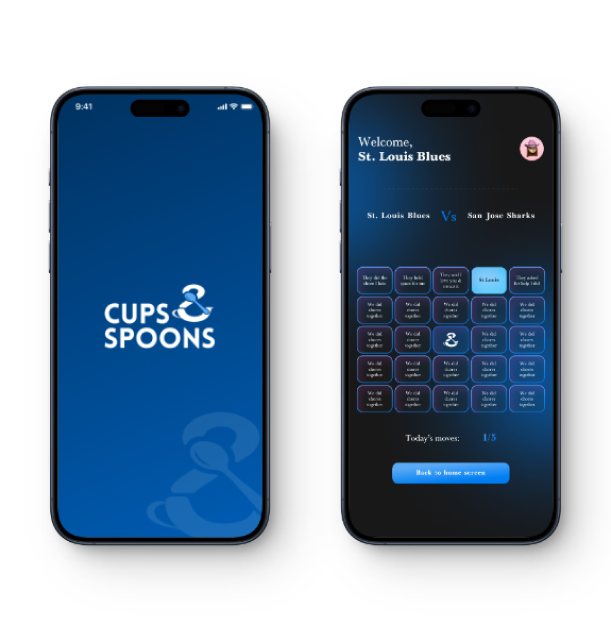
Cups & Spoons is a HUGS app designed to make relationship check-ins feel less like homework and more like a meaningful shared experience. Through a game-inspired format, couples are guided through prompts, questions, and reflection exercises that mirror the function of healthy relationships worksheets — but in a way that’s warm, interactive, and genuinely enjoyable.
Whether you’re exploring how you each handle stress, what makes you feel loved, or how you envision your future together, Cups & Spoons turns the conversation into a moment of genuine connection rather than a clinical exercise.
HUGS Hub
HUGS Hub is your relationship resource centre — a central space where couples can access guided tools, track their relationship journey, and build communication skills over time. Think of it as having a structured library of couples communication worksheets and relationship exercises available anytime, organised to meet you wherever you are.
Together, these apps bring the benefits of professional relationship tools into your everyday life — accessible, engaging, and built with your bond in mind.
👉 Explore both apps at howe-united.com
Healthy Relationships Worksheets for Every Stage
One of the most empowering things about relationship worksheets is that they aren’t just for couples in crisis. They’re for every stage of a relationship:
- New couples — building strong communication foundations early
- Established couples — deepening intimacy and preventing emotional drift
- Couples in conflict — finding structured ways through recurring arguments
- Couples in therapy — supplementing professional sessions with at-home practice
- Individuals — preparing for healthy relationships by doing personal reflection work first
No matter where you are in your relationship journey, there’s a worksheet — or a HUGS app — designed to meet you there.
Take Your Relationship From Good to Deeply Connected
Every couple deserves a relationship that feels safe, seen, and deeply fulfilling. But that kind of connection doesn’t just happen — it’s cultivated through honest conversations, consistent effort, and the right tools to guide the way.
Healthy relationships worksheets are one of the most accessible, evidence-backed tools available to couples today. And with HUGS — and apps like Cups & Spoons and HUGS Hub — those tools are more engaging, interactive, and relationship-friendly than ever before.
So don’t wait for a crisis to start investing in your connection. Start today. Pick up a worksheet, open the app, and take the first step toward the relationship you both deserve.
👉 Visit HUGS at howe-united.com and discover the tools that make strong relationships possible — one honest conversation at a time.